Vinyl siding can take a beating. Sun bakes it, wind drives grit into the texture, and shaded walls stay damp just long enough for algae and mildew to take hold. If you catch build-up early, a calm Saturday with a good brush and a hose can make a wall look new. If you wait a few seasons, you’ll battle a biological film that laughs at weak cleaners and spreads under laps and around trim. The trick isn’t brute force. It’s understanding what you’re trying to remove, choosing the right chemistry, and working methodically so you clean the surface without pushing water behind the siding or etching adjacent finishes.
I’ve cleaned more vinyl than I care to admit, in every condition from lakefront cottages with perpetual shade to city homes hemmed in by trees. The patterns repeat. North and east faces grow green first. Weather-exposed walls get oxidized chalk that streaks if you use the wrong technique. And every house has that one hose bib or exhaust vent weeps rust or soot down a pale panel. With a plan, you can return a home’s exterior to a sharp, even tone without damage.
What’s actually growing on your siding
Green slime in the shade is usually algae, most commonly Gloeocapsa and its cousins. It thrives on dust, pollen, and a trace of moisture. Dark speckles that don’t wipe off easily can be mildew, a fungal colony that anchors more firmly in pores and seams. Black streaks under a roof edge often mix organic growth with asphalt shingle run-off. You might also see brown clumps where spider webs trap airborne debris or gray film on sunny sides where UV has oxidized the vinyl, leaving a chalky residue that clings to your hand.
Each contaminant responds to a different approach. Algae relaxes with a mild bleach solution, mildew wants a bit more dwell time, oxidized chalk needs gentle agitation and lots of rinse water, and clay or iron stains benefit from specialty cleaners. If you use one catch-all pressure-wash setting for everything, you’ll remove surface dirt but leave biofilms that rebound in weeks. You’ll also risk driving water up behind laps, which creates other headaches.
Safe chemistry that actually works
Most vinyl siding tolerates household bleach when mixed correctly, and sodium hypochlorite remains the most reliable way to neutralize algae and mildew at the root. The mistake is either going too weak and scrubbing endlessly, or overmixing and bleaching everything else in sight. On exteriors, a 0.5 to 1 percent sodium hypochlorite strength on the wall, paired with a surfactant, hits the sweet spot for routine growth. If you’re buying common 6 percent household bleach, that translates to roughly one part bleach to five to ten parts water in your sprayer. Add a dash of a siding-safe detergent to break surface tension so the solution wets and clings rather than beads and runs.
Oxygenated cleaners have their place for light maintenance or sensitive areas, but they rarely match bleach for established mildew. Vinegar loosens mineral smear and some light growth but struggles against layered organic films. Commercial “house wash” products vary. The better ones disclose their active ingredients and let you dial concentration. Avoid anything with strong solvents or abrasive grit.
Pay attention to nearby materials. Unfinished wood, copper, brass, and raw steel will react with bleach. Pre-wet them thoroughly before you apply solution and rinse them afterward. Plants deserve the same respect. A slow, steady pre-soak of shrubs and beds takes minutes and saves you a week of apologizing for leaf burn.
Pressure, power, and the art of restraint
Pressure washers are not inherently bad for vinyl, but most damage I’ve seen came from overzealous use. Vinyl isn’t a brick wall. Seams overlap to shed water. Stream high pressure upward into those laps or push too close to a J-channel, and you’ll deliver a surprising amount of flow behind the cladding. That moisture has to go somewhere. Sometimes it drips into a window header, sometimes it finds insulation and creates a musty smell that lingers.
You can clean vinyl beautifully with a garden hose, a low-pressure downstream injector, or a soft-wash pump. The constant is low pressure at the wall and working from the bottom up with your cleaner, then rinsing from the top down with a fan spray. If you use a pressure washer, choose a wide tip, keep the wand at least a couple feet from the surface, and treat water like a sheet rather than a needle. Professionals who offer exterior house cleaning combine low pressure, the right chemistry, and controlled dwell time. It’s easier on finishes and faster across an entire house.
A stepwise routine that doesn’t backfire
The sequence matters as much as the tools. Here’s a straightforward process that balances safety and results.
- Walk the perimeter and note problem zones: heavy algae on the north wall, rust streaks below a vent, black trails under gutters. Close windows, cover door thresholds, and move furniture. Shut off outdoor outlets if you can. Pre-soak plants and delicate surfaces near your work area. Mix your cleaner to the proper strength, wear gloves and eye protection, and set a gentle brush within reach. Apply cleaner from the bottom up to avoid streaking. Let it dwell for several minutes, keeping the surface damp. Agitate only where needed. Rinse from the top down with low pressure. Watch for runoff patterns. If suds gather behind trim, rinse those edges patiently until they run clear. Spot-treat any stubborn stains with the appropriate specialty cleaner, then final rinse and check your work in angled light.
Two passes beat one panicked session. If you’re new to this, pick a small wall, learn how long your mix needs to work, then scale up. You’ll move faster by the second wall and use less water.
Common problem spots and what to do about them
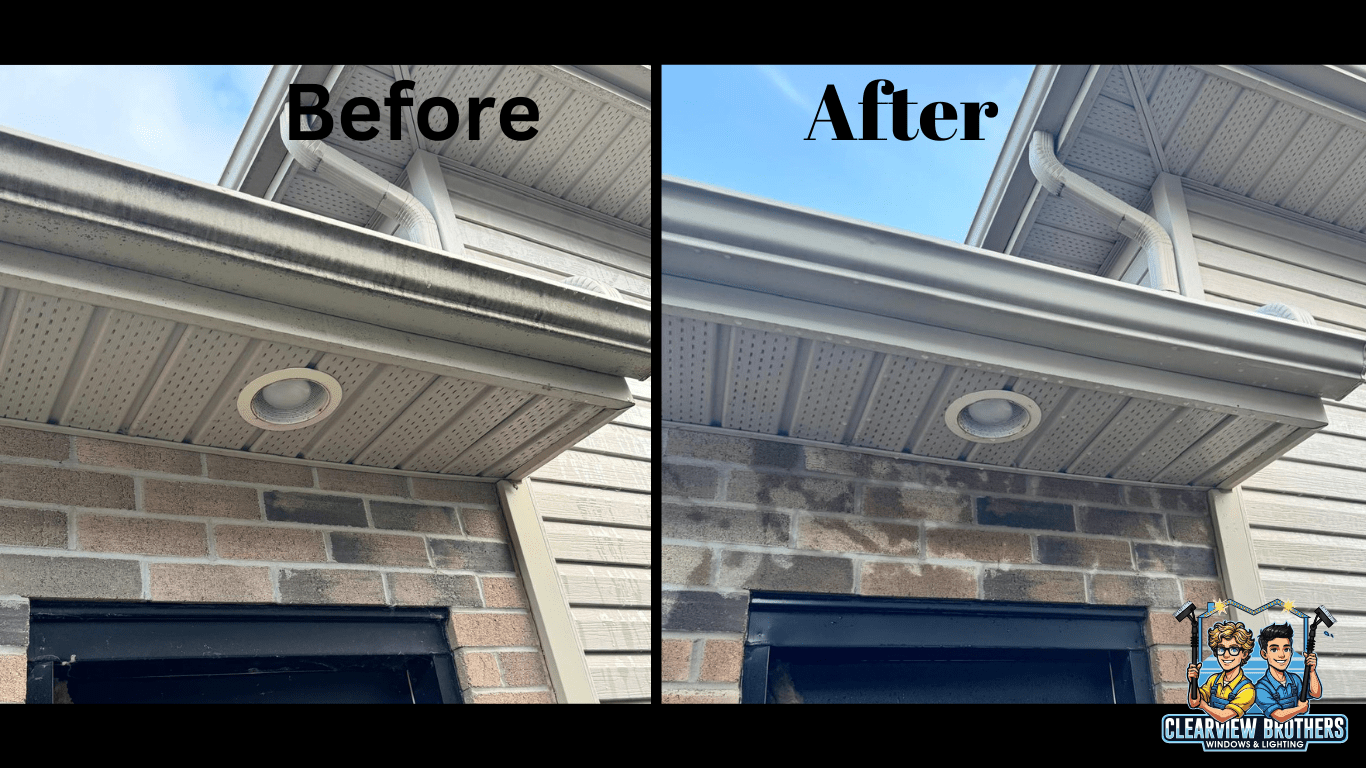
Eaves and soffits collect dirt, pollen, and insect debris that smear when they get damp. You can clean perforated soffit panels with low pressure and a mild solution, but avoid blasting upward. Let the cleaner dwell and rinse gently so you don’t flush the attic.
Black streaks under roof edges often come from asphalt or organic run-off. A dedicated oxidation remover or a non-acidic roof runoff cleaner can help, but test a small area first. Some streaks fade only partially, at which point repainting the fascia or replacing a stained trim piece is quicker than chasing perfection.
Rust and orange stains under hose bibs or vent caps respond to oxalic or specialized rust removers designed for vinyl. Apply with a cloth, give it a minute, then rinse thoroughly. Don’t combine acids and bleach. If you just used bleach, rinse well, wait, then switch chemistry.
The hazy look on sunny walls is oxidation. Aggressive scrubbing removes the oxidized layer but can leave a patchy sheen. Use a light touch with a soft brush and lots of rinse water. If the chalk is severe, set reasonable expectations. You can make it clean, but sheen uniformity may not return without restoration products or replacement.
Spider webs and bug splatter cling beyond reason. A soft-bristle pole brush works far better than trying to pressure them off. A small squirt of dish-safe surfactant in your mix helps webs slide free.
Timing, weather, and angles that work in your favor
Cloudy mornings are your friend. Heat and sun flash-dry cleaner, leaving blotches. Shade lets chemistry dwell and do the heavy lifting. Wind adds drift and makes plant protection harder. If you have to work in sun, tackle the shaded sides first, then circle the house as the shade moves. Keep an eye on your rinse pattern. If you see suds reappearing lower down, you’re washing your cleaner into an area you haven’t rinsed yet. Adjust your order accordingly.
Temperatures between 10 and 25 degrees Celsius offer a good window. In colder weather, dwell times stretch and rinsing takes longer. In hot spells, step down your concentrations slightly and rinse more often.
Safety that goes beyond gloves
Most home mishaps happen on ladders with wet boots. Use a stable base, keep three points of contact, and avoid reaching horizontally to save a climb. Telescoping poles reduce ladder time. Eye protection is non-negotiable when using bleach or rust removers. If you feel a fine mist on your face, you’re standing too close or pointing the nozzle wrong. A simple respirator helps if you’re working under eaves where mist can gather.
Electrical fixtures deserve respect. Seal them temporarily or give them a wide berth with your spray. If a fixture or outlet looks compromised, stop and address it before continuing.
How often to clean, and how to keep it cleaner longer
Most homes benefit from a light wash once a year, ideally in spring after pollen season or in early fall once leaves stop shedding. Heavily shaded lots, lake humidity, and proximity to busy roads shorten that cycle. You can stretch time between deep cleans by addressing moisture sources. Trim vegetation 30 to 60 centimeters from walls to improve airflow. Clear eavestroughs so overflows don’t feed stains down the siding. Adjust irrigation so sprinklers don’t mist the house.
Small habits pay off. A quick brush and rinse of the north wall mid-season removes fresh growth before it sets roots. Wiping rust drips early prevents deeper staining. If you’ve got a barbecue or smoker against the house, pull it forward and use a fire mat. Grease mist is a stubborn film once it hardens.
The case for soft-wash over brute force
There’s a reason professional window cleaning services and exterior house cleaning crews emphasize soft-washing. With the right ratios, low-pressure delivery cleans more evenly, avoids water intrusion, and protects seals and paint on trim and windows. You’ll see this approach on sites that also handle residential window cleaning, eavestrough cleaning, and detailed work like French panes and screens, because the same principles apply: let chemistry do the work, rinse thoughtfully, and leave the substrate intact.
On homes in and around London, Ontario, we often pair vinyl siding cleaning with eavestrough cleaning services. Gutter overflow drives a lot of the streaking that homeowners mistake for siding failure. Clearing the Window cleaning service eaves, flushing downspouts, and confirming proper pitch prevent repeat staining and reduce algae blooms on the walls below. If you search for window cleaning London or window cleaning near me and find a team that offers eavestrough cleaning London Ontario as well, ask about bundling. A combined visit reduces setup time and keeps the whole exterior on the same maintenance rhythm.
Where windows and siding meet
Windows are the edges where careless cleaning shows. Bleach drips can spot anodized aluminum and cloud some decorative hardware. Oxidation slurry from nearby siding will streak glass if you rinse without thinking ahead. Professionals who provide local window cleaning services know to rinse above and around frames thoroughly, then come back to polish the glass after the siding is done. If you’re doing both yourself, clean siding first, let everything dry, then execute your window cleaning service with fresh tools. Microfiber sleeves, a well-soaked mop, and a sharp squeegee make quick work, and you won’t drag leftover grit across the glass.
Frames and seals deserve a glance. If you see caulk failure or gaps, skip high-pressure anywhere near them. Water intrusion here is more than a nuisance. It can creep into sheathing. This is one of those places where the right tactic is patience with a gentle rinse rather than proving how strong your washer is.
When to call a pro
There’s no badge of honor for wrestling with a three-story gable in gusting wind. If your home has steep peaks, delicate landscaping packed close to the walls, or brittle legacy vinyl that predates your ownership, a good exterior cleaner is worth it. The same goes if you see black mold inside, near exterior walls that show thick growth outside. That can indicate a moisture path you don’t want to ignore.
Look for a window cleaning company or exterior cleaning outfit that talks specific chemistry, not just pressure. Ask what concentration they plan to use, how they’ll protect plants, and whether they carry insurance. Many window cleaning companies that handle professional window cleaning services have broadened into siding and eavestrough cleaning because customers prefer one coordinated visit. In the London market, you’ll see firms advertising window cleaning London Ontario alongside gutter and siding care. That’s a sensible combination, and crews that move between these tasks daily eavestrough cleaning london ontario tend to develop a lighter touch and a keener eye for detail.
Budget, time, and realistic expectations
For a typical single-story home with 150 to 200 square meters of exterior cladding, a thorough wash with soft-wash techniques takes two to four hours once you’ve staged hoses and mixed solution. Add time for spot stains and careful plant protection. Material costs are modest, mostly cleaner, surfactant, and a brush if you don’t own one. The trade-off is your time and the learning curve. The first session might stretch longer as you figure out dwell times and find the right rhythm.
Hiring a pro costs more up front, but you’ll likely get a more uniform finish and a faster turnaround. Ask for photographs of similar homes. Good companies document before and after because it helps them train new staff and shows homeowners where the time goes. If you’re bundling window cleaning services and gutters, pricing can be more favorable than three separate trips.
It’s also wise to calibrate outcomes. Cleaning removes growth and grime, but it doesn’t fix UV-faded panels or warping from heat. If a wall shows permanent shading differences where a barbecue sat for years or a sun wall looks dull even after meticulous work, replacement or restoration coatings might be in your future. Cleaning still matters, because it gives you a true picture of condition before you make bigger decisions.
A practical kit that doesn’t overcomplicate things
You don’t need a truck full of equipment to maintain vinyl siding well. A five-gallon bucket, a pump sprayer or downstream injector, a soft-bristle brush on a telescoping pole, and a garden hose with good pressure will take you far. Add a couple of specialty cleaners for rust or oxidation if your home needs them, and keep a stack of microfiber towels for windows and trim. I’ve tried every gadget that promised to double speed or eliminate scrubbing. The ones that survive are sturdy, simple, and easy to rinse clean.
If you decide to bring in help, the same mindset applies. Flashy rigs don’t guarantee quality. Results come from care with prep, measured chemistry, and steady technique. That’s as true for a single wall on a bungalow as it is for a large exterior house cleaning on a multi-story property.
Keeping the exterior in a maintenance loop
The exterior ages better when you repeat small tasks at sensible intervals rather than waiting for a rescue job. If you maintain a seasonal checklist, consider pairing a spring washdown with an eavestrough inspection, a check of downspout discharge points, and a quick survey of caulk lines around windows and doors. In fall, once leaves are mostly down, a second look at gutters and a light touch-up on the shadiest wall prevents winter from locking in growth. If you already schedule residential window cleaning twice a year, ask your provider to tack on a siding assessment or light wash as needed. It keeps the curb appeal steady and avoids surprises.
Homeowners in older neighborhoods often say they can’t beat the constant green on certain walls. That’s the shade and airflow working against you. You won’t win with brute force or by moving up to hotter mixes. You win with frequency, cleaner delivery that reaches seams, and understanding that “clean enough” for maintenance purposes is a uniform, healthy surface even if a faint shadow of oxidation remains in hard sunlight.
Final thoughts from the ladder
Vinyl siding rewards patience and punishes shortcuts. The safest method uses modest chemistry, low pressure, and planned passes. You protect plants and trim. You work with the shade. You respect overlaps and edges. And you keep the whole system in mind, not just the wall in front of you. Eavestrough cleaning keeps streaks at bay. Well-rinsed windows keep the glass from spotting. Thoughtful irrigation keeps water off the siding.
Whether you take it on yourself or bring in a window cleaning company that also handles exterior house cleaning, keep the goal clear: a clean, even exterior without collateral damage. If you’re in a market like London, Ontario, where humid summers and tree cover challenge exteriors, finding reliable window cleaning London providers who also offer eavestrough cleaning London Ontario isn’t hard. The good teams talk plainly about process, protect your home as if it were their own, and leave behind nothing but the satisfying look of a house that breathes again.
Clearview Brothers Window Cleaning London, ON (226) 239-5841
Clearview Brothers provides professional window cleaning, eavestrough cleaning, siding cleaning, and screen cleaning services in London, Ontario. Their eco-friendly methods and advanced equipment deliver streak-free windows, clear gutters, and refreshed exteriors that enhance curb appeal and protect your home.